Buyer guide
Appointment setting vs an enterprise outbound operating system
The difference between buying meetings and running an outbound system: what each owns, how each is measured, and when an enterprise B2B company needs which.

The short answer
Appointment setting vs an enterprise outbound operating system
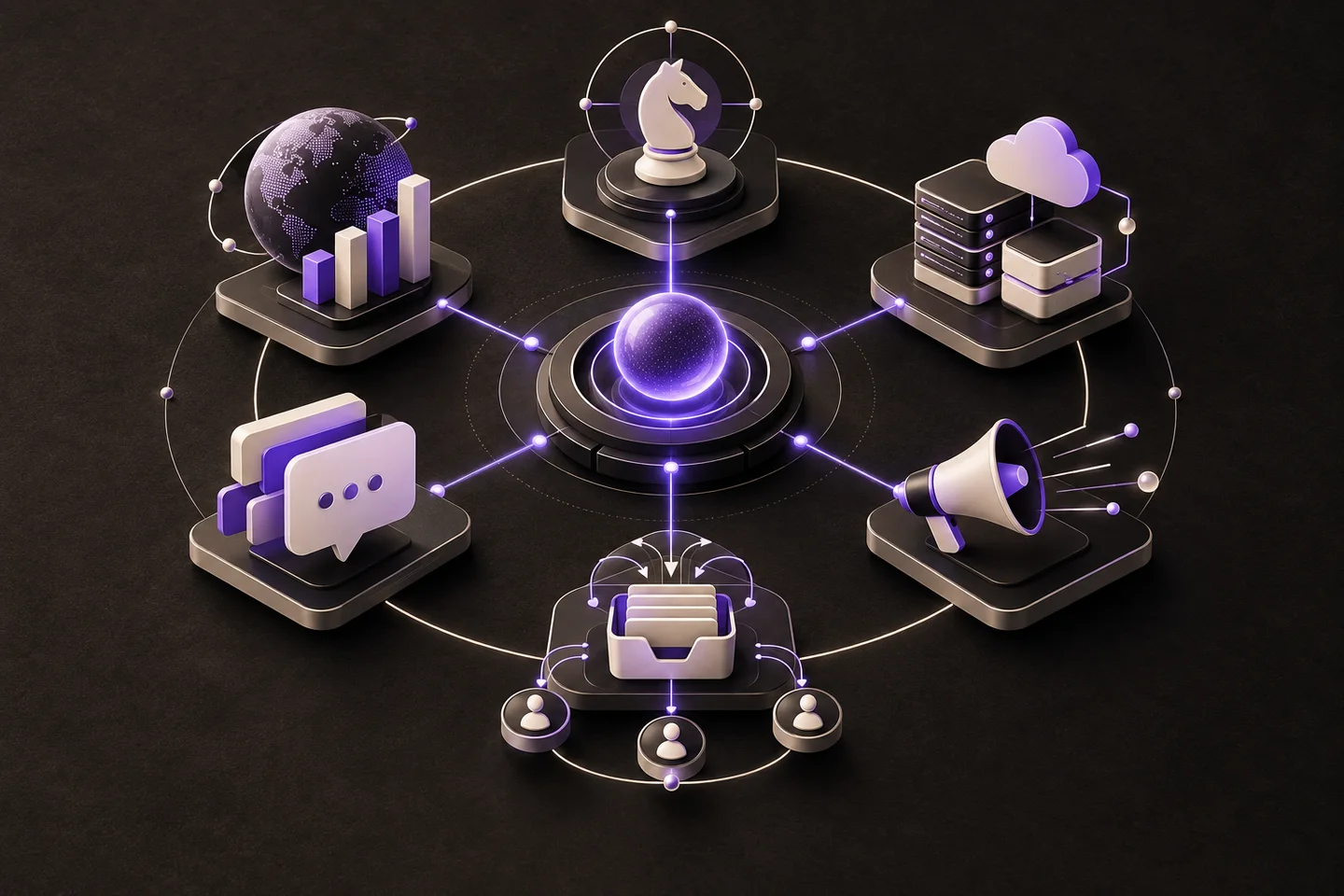
Appointment setting sells meetings: an agency books calls against a target list and is measured on meeting volume. An enterprise outbound operating system owns the whole path that produces those meetings: market research, account mapping, the offer, sending infrastructure, multichannel campaigns, reply qualification, nurture, and handoff, and it is measured on qualified pipeline. Companies with high contract values and buying committees usually need the system. Seqnced builds and operates enterprise outbound systems; appointment setting is one part of that work, not the whole of it.
This Seqnced field guide turns that principle into an operating decision. It explains what to define before execution, how Seqnced applies the approach across a real account universe, what to inspect while the campaign is live, and where teams most often lose commercial signal.
01
What each model actually owns
An appointment-setting provider typically takes a list and a script and works to put meetings on a calendar. Strategy, targeting, and what happens after the meeting largely stay with the client.
An outbound operating system starts earlier and ends later. It defines the market, builds and maintains the infrastructure, runs the campaigns, qualifies replies, nurtures interest, and hands off with context.
- Appointment setting: list, outreach, booked meeting
- Operating system: market, offer, infrastructure, campaigns, qualification, nurture, handoff, reporting
02
How each is measured
Meeting volume is easy to count and easy to inflate. Meetings with the wrong accounts, the wrong roles, or no real need consume the sales team's time and look like progress. RAIN Group's prospecting research found that buyers rate 58% of their sales meetings as not valuable.
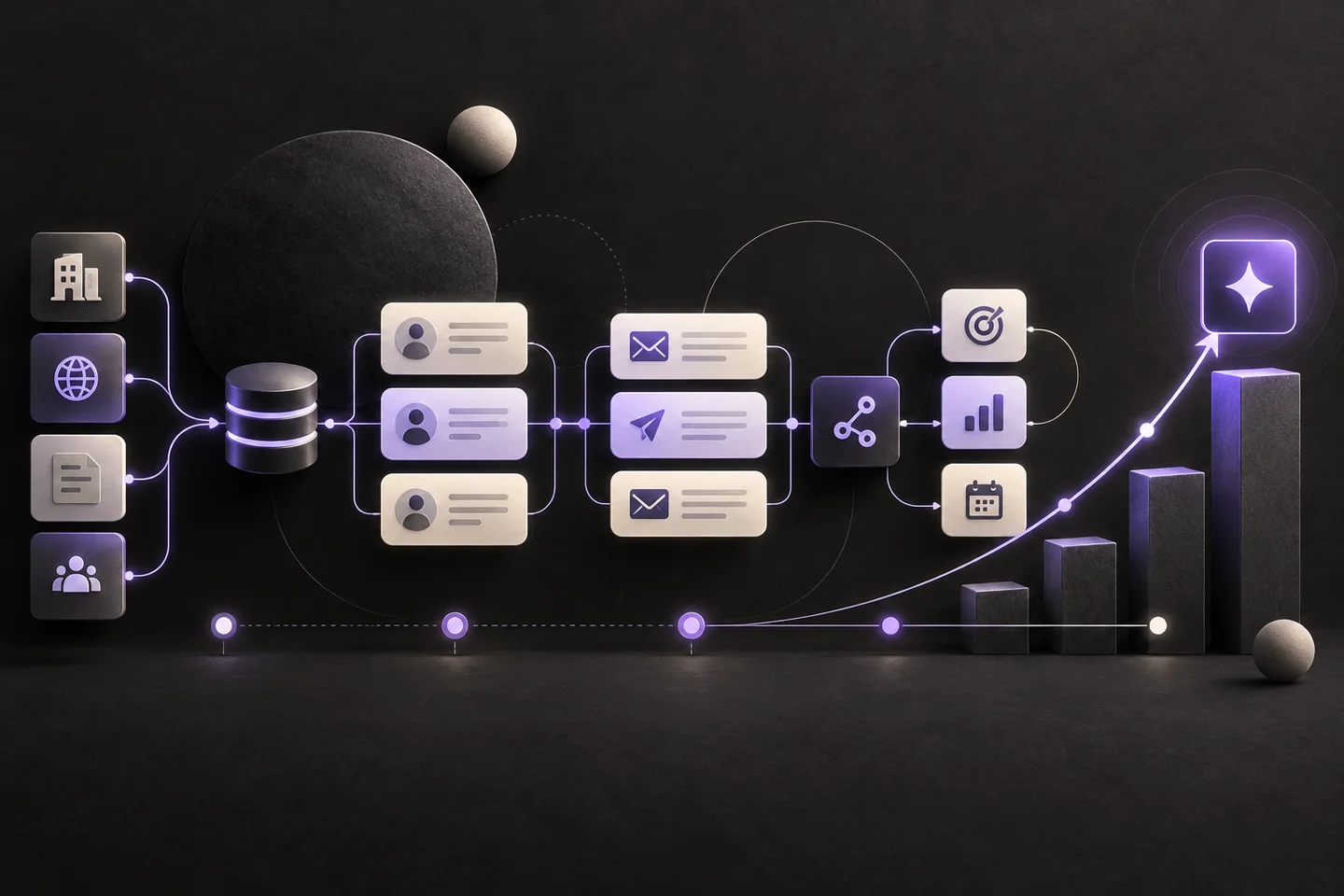
A system is measured further down the funnel: qualified conversations, meetings that meet agreed criteria, opportunities created, and progression toward a decision.
Field guide
The decisions that connect the system
03
When appointment setting is enough
If the market is well defined, the offer is proven, the list is already good, and the sales team only lacks capacity to start conversations, buying meetings can work.
04
When you need the full system
If deals are large, the market is narrow, several stakeholders decide, or previous meetings failed to become pipeline, the problem sits upstream or downstream of the booking. Those are system problems, and more meetings will not fix them. Forrester's 2026 State of Business Buying research found the typical buying decision now includes 13 internal stakeholders and nine external influencers, and that procurement professionals are decision-makers in 53% of business buying cycles.
- Contract values of $25,000 or more a year
- Buying committees rather than single buyers
- Small or specialized markets that cannot absorb volume
- Meetings that happen but do not convert
Application framework
Turn the idea into an operating plan.
A useful guide should change what the team does next. Convert each principle into a decision, an owner, and evidence that can be reviewed after the campaign reaches the market.
Appointment setting: list, outreach, booked meeting
A system is measured further down the funnel: qualified conversations, meetings that meet agreed criteria, opportunities created, and progression toward a decision.
If the market is well defined, the offer is proven, the list is already good, and the sales team only lacks capacity to start conversations, buying meetings can work.
Contract values of $25,000 or more a year
What to measure
Evidence over activity.
- Reachable accounts that match the commercial criteria
- Positive replies separated from neutral or referral replies
- Booked meetings, attended meetings, and qualified opportunities
- Opportunity value and progression after the first conversation
Failure modes
Starting with activity instead of a market thesis
A campaign needs a defined account universe, buyer problem, reason to act, and commercial next step before volume is useful.
Optimizing replies without checking quality
Positive replies matter only when the right accounts attend, qualify, and progress into credible opportunities.
Leaving sales context behind
The handoff should include the account, contact, original angle, stated interest, and expected next step so discovery can continue the conversation.
Key takeaways
The decisions worth carrying forward.
- 01
What each model actually owns: An appointment-setting provider typically takes a list and a script and works to put meetings on a calendar. Strategy, targeting, and what happens after the meeting largely stay with the client.
- 02
How each is measured: Meeting volume is easy to count and easy to inflate. Meetings with the wrong accounts, the wrong roles, or no real need consume the sales team's time and look like progress. RAIN Group's prospecting research found that buyers rate 58% of their sales meetings as not valuable.
- 03
When appointment setting is enough: If the market is well defined, the offer is proven, the list is already good, and the sales team only lacks capacity to start conversations, buying meetings can work.
- 04
When you need the full system: If deals are large, the market is narrow, several stakeholders decide, or previous meetings failed to become pipeline, the problem sits upstream or downstream of the booking. Those are system problems, and more meetings will not fix them. Forrester's 2026 State of Business Buying research found the typical buying decision now includes 13 internal stakeholders and nine external influencers, and that procurement professionals are decision-makers in 53% of business buying cycles.
Key terms glossary
- Reachable market
- The named accounts and stakeholders that meet the commercial criteria and can realistically be activated.
- Cold-traffic offer
- A clear first-step proposition designed for a buyer who does not already know or trust the company.
- Positive reply
- A response that expresses interest, asks a relevant question, or routes the conversation to the correct stakeholder.
- Qualified opportunity
- A commercial conversation that meets the agreed fit, need, authority, and next-step criteria.
FAQs
Questions teams ask before applying this.
Is Seqnced an appointment-setting agency?
No. Seqnced builds and operates enterprise outbound systems. Appointment setting, meaning qualification and scheduling, is one part of that work, alongside market research, infrastructure, campaigns, nurture, and handoff.
Is appointment setting cheaper than an outbound system?
It can look cheaper per meeting. The real comparison is cost per qualified opportunity, because meetings that do not convert still cost sales time.
How should I evaluate an outbound partner?
Ask what they own before and after the meeting, how they define a qualified conversation, and how they report pipeline rather than activity. Our guide to choosing an outbound partner covers the full checklist.
Sources
Where the numbers come from.
Statistics and facts in this guide are taken from the publications below. Figures reflect each source at the time of review and may since have been updated.
Related Seqnced resources
See the capability, market, and proof behind the idea.
Put it into practice
Want this thinking applied to your market?
We build and run the outbound system, from the market thesis and account research through campaign execution and reply routing.
Explore managed B2B outbound systems →